
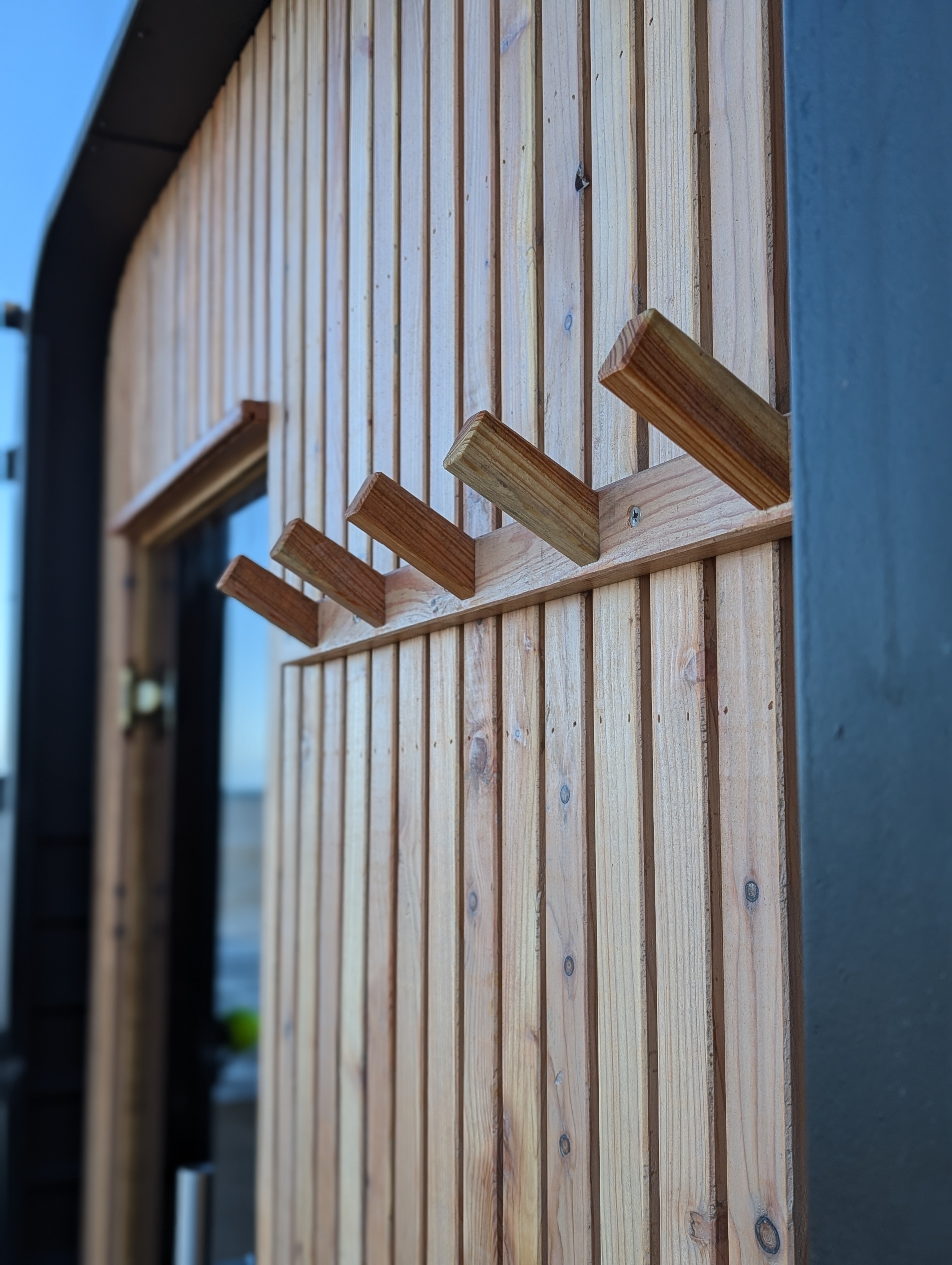
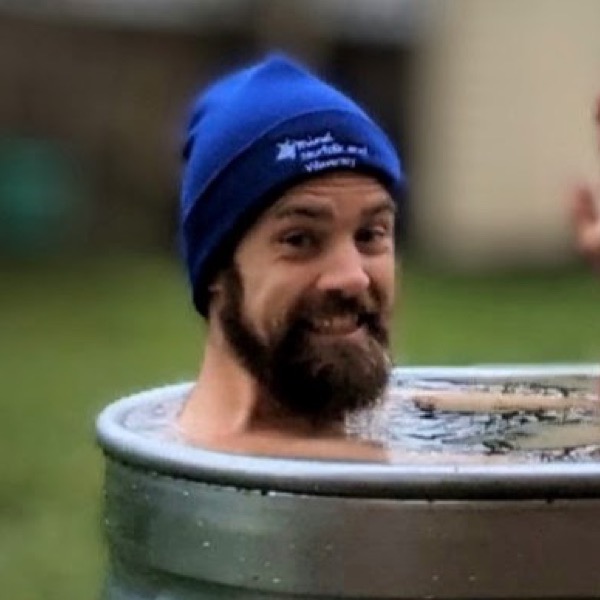
Sauna and cold plunge are not a package deal. Sauna gives you the core effects on its own: raised heart rate, sweating, and a genuine recovery response. A cold plunge afterwards, known as contrast therapy, is a popular addition many people find is where the best feeling comes from, but it is optional, not a requirement. If you can only do one, do the sauna.
Key takeaways
- Sauna alone works: heat exposure gives you the raised heart rate, sweating and recovery response that most of the research is actually about.
- A cold plunge afterwards is a popular, optional addition, not a prerequisite. Cold shower, cold plunge or simply stepping into fresh air all count as a cool-down.
- The combination (rinse, hot, cold, rest) is what most regular sauna users describe as the most complete version of the ritual, but the evidence base for the cold half is thinner than for heat alone.
- The British Sauna Society reports the number of public Finnish-style saunas in the UK roughly doubled from 45 to 90 in a single year, and contrast therapy has gone from a niche habit to a mainstream recovery ritual alongside it.
- Ease into cold exposure. It is genuinely uncomfortable at first for almost everyone, and that is normal, not a sign you are doing it wrong.
What sauna does on its own
Step into a Finnish-style sauna at 70 to 100°C and your core temperature rises, your heart rate climbs into a range you would see on a brisk walk or light jog, and blood vessels near the skin widen to move heat outward. That is a real, measurable physiological response, and it is the basis for the strongest sauna research: long-running Finnish population studies have found that people who sauna regularly tend to have lower rates of cardiovascular disease. Those studies are observational, not proof that sauna alone caused the difference, but the pattern is consistent and the mechanism is well understood. None of that requires a cold plunge. Heat alone is doing the work. We cover the full picture, including what the research doesn't yet prove, in the science behind sauna health benefits.
What a cold plunge adds on its own
A cold plunge, ice bath or cold shower works through a different, related mechanism: rapid cooling causes blood vessels to constrict, then dilate again once you warm back up, and the shock of cold exposure is widely reported to trigger an endorphin release similar to the lift people describe after exercise. It is a genuinely intense, immediate sensation, more so than the heat, and it is one reason people who try it tend to either love it or need to build up to it gradually. Used without a sauna at all (a cold morning shower, wild swimming, an ice bath on its own) it still delivers that immediate, waking effect. The evidence here is more limited than for sauna and cardiovascular health, and much of what's reported is anecdotal rather than from long-running population studies.
Sauna and cold plunge together: contrast therapy
Put heat and cold back to back and you get contrast therapy: the ritual most regular sauna users actually describe. Ours (and the one behind most of the operators we've built for) is rinse, then heat for 10 to 20 minutes, then a cold shower, cold plunge or fresh outdoor air, then rest until your heart rate settles, repeated for two or three rounds. The contrast itself (heart rate up, then down; vessels wide, then narrow) is what a lot of people mean when they describe the "post-sauna feeling" as more pronounced than heat or cold gives them separately. It's a genuinely popular combination: one glamping partner we build for told us "our sauna and cold plunge quickly became our most recommended, sold-out experience: weddings, retreats, corporate hires and local community events," and several of the sauna businesses we've helped launch, including Hálogi Sauna & Ice Baths, build the ice bath in as standard rather than an optional extra.
Sauna vs cold plunge: side by side
| Sauna alone | Cold plunge alone | Both together | |
|---|---|---|---|
| What it does | Raises heart rate, dilates blood vessels, makes you sweat | Constricts blood vessels, sharp endorphin hit, wakes you up fast | The full contrast: heart rate and vessels move both ways in one session |
| Strongest evidence | Cardiovascular health (long-term Finnish population studies) | Anecdotal mood and alertness reports; thinner research base | Combines both, but no strong studies isolate the "combined" effect specifically |
| Required to feel a benefit? | No, works as a standalone habit | No, works as a standalone habit | Not required, but widely reported as the more complete ritual |
| Where to start | 10 to 20 minutes per round, 70 to 100°C | Cold shower first, work up to a plunge or ice bath | Rinse, hot, cold, rest, repeat two to three rounds |
How to try contrast therapy safely
Ease in. Start with a cold shower rather than a full plunge, and don't feel you need to go straight to ice-cold water: cold enough to feel a genuine shock is enough to begin with, and most people find the tolerance builds session by session. Rinse before you start, get warm for 10 to 20 minutes, cool down (cold shower, cold plunge, or just stepping outside all count), then rest properly until your heart rate settles before you consider going back in or getting straight into cold water. Never plunge while still catching your breath from the heat. If you're pregnant, have a heart condition, low blood pressure or another medical concern, check with your GP before starting either sauna or cold exposure, and always ease into the cold rather than jumping straight in.
Which one should you actually do?
If you're deciding where to start, start with the sauna. It gives you the core, best-evidenced effects on its own, and it's the gentler entry point. Add a cold element once you're comfortable with the heat, if you want to: a cold shower is a low-stakes way to try it before committing to a dedicated plunge or ice bath. Neither one is "better" in isolation; they do genuinely different things, and most people who stick with sauna long term end up trying the cold half eventually simply because it's part of the ritual, not because heat alone stopped working for them.
Curious about the fuller picture on sauna itself? Read the science behind sauna health benefits, or if you're brand new to sauna, start with how to sauna: a beginner's guide, which walks through the same rinse, hot, cold, rest routine step by step. See the full ritual explained at why sauna works, browse our builds if you're considering a sauna of your own, or see how venues are adding sauna to their business.