

A container sauna and a traditional spa build solve the same problem in very different ways. A container sauna is a factory-built, commercial-grade room delivered to your site and installed in days; a traditional spa build is a bespoke, on-site construction project, built from the ground up over months. Neither is automatically "better": the container route wins on speed, cost predictability and the ability to move it later, while a traditional build wins if what you actually want is a permanent, fully bespoke structure and you have the time and budget for it.
Key takeaways
- A 10ft container sauna is built in around 12 days and a 20ft in around 20, both from our Suffolk workshop, then delivered and installed on site. A traditional spa build is a bespoke, on-site construction project, so its timeline depends on your contractor, not a factory schedule.
- A 10ft container sauna starts from around £30,000 ex VAT; the 20ft is priced to spec. We don't build traditional spas ourselves, so we won't put a number on that route, but as a bespoke construction project involving groundworks, specialist trades and full building regulations, it's reasonable to expect it as the bigger capital outlay.
- A container sauna is relocatable: it moves by lorry, or by crane where access is tight. A traditional spa build is fixed to the land permanently, part of the property itself.
- Both usually need some form of planning check, but for different reasons: a container is generally treated as a temporary, movable item, while a permanent structure typically needs full planning permission and building regulations sign-off.
- Running costs come to about a third of takings, whichever structure houses it: the heater, ventilation and maintenance are the ongoing cost, not the shell.
What we mean by "traditional spa build"
A traditional spa build is a bespoke wet room, steam room or sauna suite constructed on site from scratch: groundworks, block or masonry work, waterproofing and tiling, plus the plumbing, electrics and ventilation coordinated across several specialist trades. It's a genuine construction project, not a delivered product, which is exactly why it can be shaped to fit any space or design brief. We don't build these ourselves. Everything in this guide about the traditional route is general, well-known construction knowledge, not something we track from our own jobs, so treat it as a starting point for your own conversations with a contractor rather than a quote from us.
Build time: days vs months
A container sauna is built to commercial grade in our Suffolk workshop before it ever reaches your site: 12 days for a 10ft container, 20 days for a 20ft. Delivery and installation then happen in a single visit. A traditional spa build runs to a construction timeline instead: groundworks, structural work, first and second fix, then finishing, sequenced around whichever trades are available and, in the UK, around the weather. That's typically a matter of months rather than days, and like any bespoke build it carries the usual construction risks around trade availability and scope creep that a factory-built product doesn't.
What it costs
Our 10ft container sauna starts from around £30,000 (ex VAT), with the 20ft priced to your spec; the full breakdown lives in our container sauna cost guide. Financing is available from about £1,100 a month over three years if you would rather spread it, which about three people a day at £15 a head covers, and we can introduce you to a finance partner. A traditional spa build is priced entirely on the specifics of your project (the amount of groundworks, plumbing and finish involved), and since we don't build them, we're not going to put a made-up number on it here. What we can say honestly: a factory-built container is a fixed, quoted price before you commit, where a bespoke on-site build is much harder to fix in advance.
Permanent structure vs relocatable asset
This is the difference that matters most if your plans might change. A container sauna is relocatable: it moves by lorry, or by crane where access is tight, so if you move site, sell the venue or the location stops working, the sauna can go with you. A traditional spa build is part of the building: once it's in, it's in, and its value is tied to that specific property. If you're renting your site, financing the sauna separately from the building it's built into, or simply want the option to move it later, that's a meaningful practical difference, not just a cost one.
Planning and building regulations
Both routes usually involve some form of check, but for different reasons. A container sauna is generally treated as a temporary, movable structure rather than a building, and most of our operators have sited one without a planning battle, though this still depends on your specific location. A traditional spa build is a permanent structure, so it typically needs full planning permission and sign-off under building regulations, which is a separate process covering things like structural work, plumbing and electrics on anything fixed and substantial. Our sauna planning permission guide covers the container and horsebox side of this in detail; for a traditional build, your local planning authority and a building control surveyor are the right first calls.
What you actually get inside
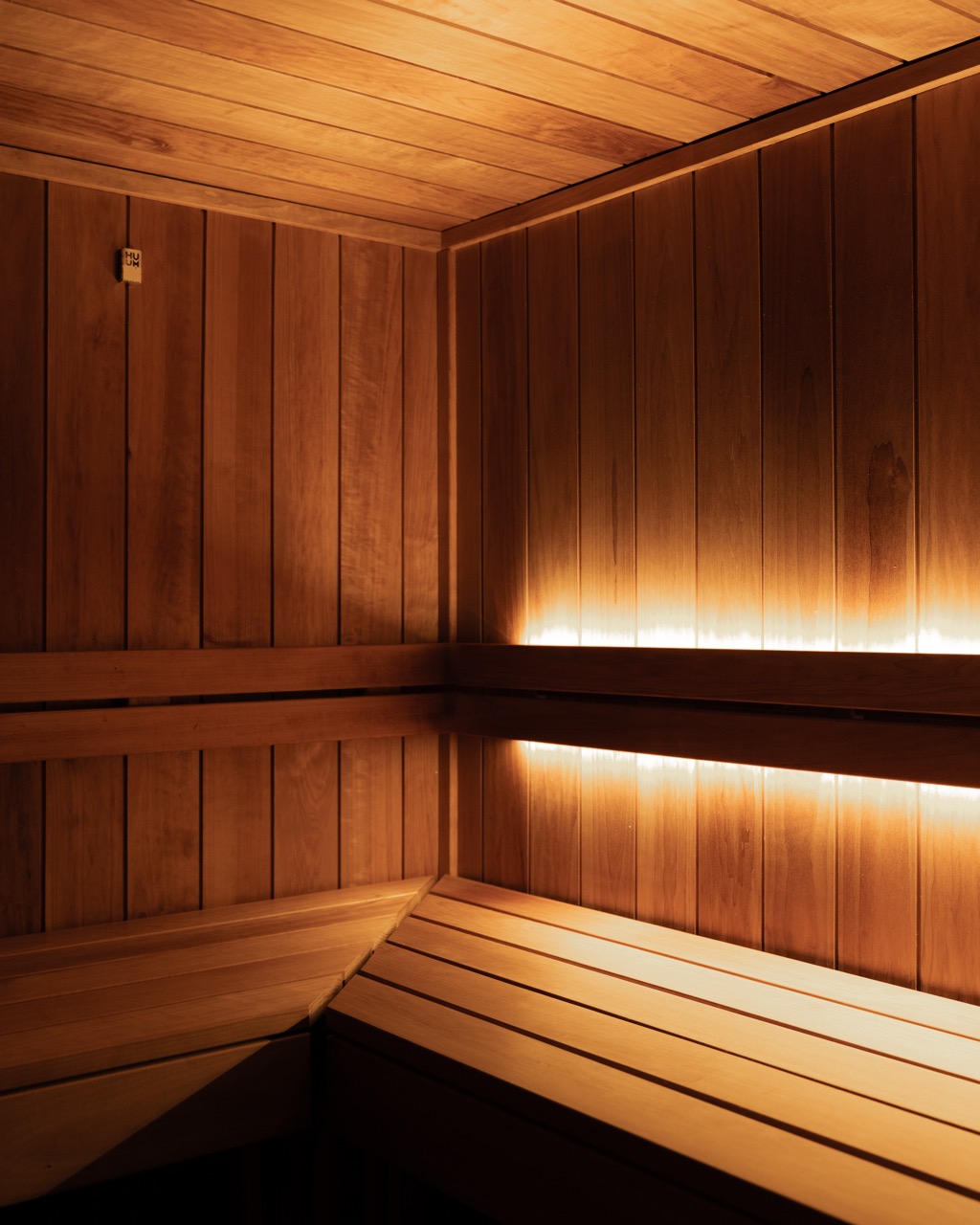
Inside, a container sauna is built to a proven commercial spec: premium thermo aspen lining and a genuine Finnish heater (wood-fired or electric), a 12-month structural warranty, a 1-year heater manufacturer's warranty, and ongoing maintenance support. It's a fixed design with a handful of proven layouts, not an open brief. A traditional build gives you a genuinely open design brief instead: any shape, any finish, any combination of steam, sauna and plunge you can specify and afford, built exactly to your space. That freedom is real, and it's the strongest argument for going the traditional route if a proven, repeatable format genuinely doesn't fit your site or your vision.
Which one is right for you
Run this checklist:
- Do you need it running soon? A container sauna is on site and open for business within weeks of ordering. A traditional build is a longer project.
- Do you want price certainty before you commit? A container sauna is a fixed quote. A bespoke on-site build is harder to fix in advance.
- Might you move, sell, or need to relocate later? A container sauna goes with you. A traditional build is part of the property.
- Does your site or design brief genuinely need a bespoke shape? That's the one place a traditional build has a real edge over a proven, repeatable format.
For most commercial operators, gyms, padel clubs, hotels and glamping sites among them, the case for a container sauna comes down to getting a proven, warrantied product open for business in weeks rather than months, at a price you know before you start. See how other venues are adding a sauna to their business, browse our builds, or read the fuller case for sauna in why sauna works. If you're weighing this up against a horsebox rather than a fixed build, our horsebox vs container comparison is the other half of that decision, and our commercial sauna buyer's guide covers the wider buying process.