
Buying a sauna
The commercial sauna buyer’s guide
A commercial sauna is a different animal to a garden one: it gets heated most days, used by strangers, and it has to earn its keep. Across 62 saunas built and 40 operators running, we have seen what survives that treatment and what does not. This guide is everything we would want to know before spending our own money: the three formats, what proper build quality looks like, the two ways to pay for one, what it really costs to run, and the red flags to watch for, wherever you buy.

The British Sauna Society recommends Sauna Box by name.
The three formats
We build three things, all to commercial grade in our Suffolk workshop:
- Horsebox Sauna: seats 6–8 people, tows behind a 4x4, genuinely mobile. The one for beaches, events and rotating pitches.
- 10ft Container Sauna: seats 6–7 people, a sauna-shaped room for a fixed site with repeat bookings.
- 20ft Container Sauna: seats 14–16 people, the one for groups, clubs and destination sites.
The right format is a business decision before it is a product decision: fixed or roaming, how many at once, and whether a lorry can reach the spot. If you are torn between wheels and steel, our horsebox vs container comparison settles it honestly, and the operators on the map show which builds real businesses run, and where.

So our whole target audience has always been businesses. We build commercial grade saunas. That is our thing.
Build quality and materials
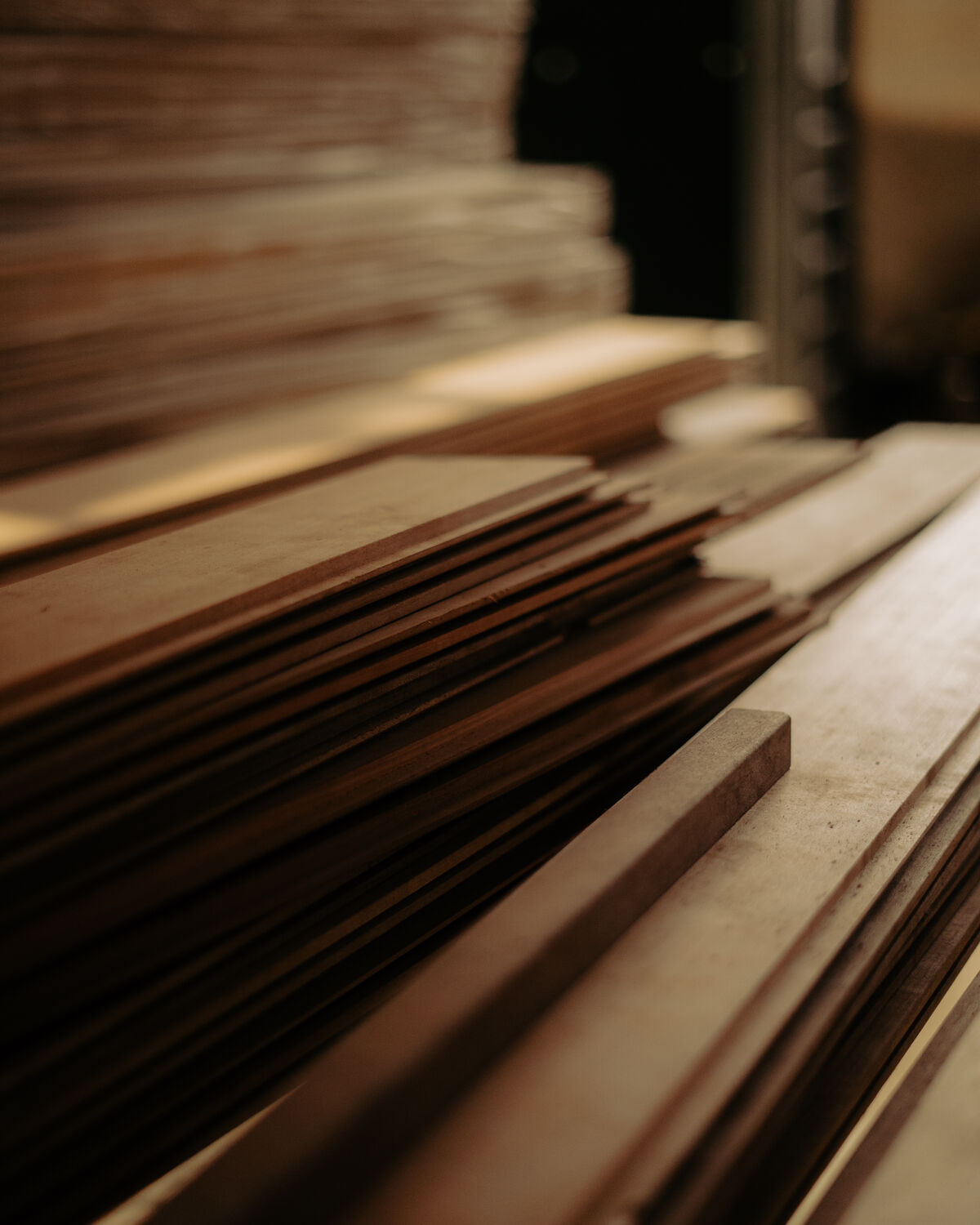
Inside, every build is the same sauna: thermo aspen benches and cladding around a proper Finnish heater. That is not an aesthetic preference. Thermo-treated timber has already been heat stressed, so a hot room that runs six days a week stays tight and true instead of warping, and it reads as premium because it is: “So I would just again, probably stick thermo aspen the whole way through and it always just looks the most premium way of doing it,” is how Tom puts it to other builders.
The questions that separate a commercial build from a garden build dressed up as one:
- Timber: thermo-treated for the hot room, not untreated softwood.
- Heater: specified for commercial duty cycles, with proper clearances and guarding.
- Insulation and ventilation: a commercial room has to hold 80 to 90 degrees efficiently, session after session.
- The shell: whether horsebox or container, it has to travel, sit outdoors year round, and take a crowd.
But in a commercial sauna, I would be going down the thermo treated route because it just gives you more durability. Essentially it’s already been heat stressed so that when you do it loads and loads and loads, the wood is really durable.
How to pay: buy outright or finance
There are two ways to pay for a commercial sauna, and the right one depends on your capital, not the box:
- Buy outright: own the asset from your own funds. Horsebox builds start from around £33,000 and 10ft containers from around £30,000, excluding VAT (the 20ft is priced to spec). The usual pattern across our invoiced builds is 70% on order and 30% on delivery with the balance at handover. Best when you want the asset on your balance sheet and the strongest margins.
- Finance: spread the cost over three years, which works out at about £1,100 a month for a 10ft container and £1,300 for a horsebox. We can introduce you to a finance partner, who looks at your accounts and trading history before they quote.
A quick way to choose: if you plan to run sauna as the business, buying usually wins over a season or two, our profitability guide shows the real numbers. If the sauna is an addition to a business you already run, financing keeps it a simple monthly line; the venue guide covers that route properly.
What it costs to run
Real figures, from operating our own sites. Firewood is the big consumable on a wood-fired unit: “roughly 40 hours a month, that equates to a meter cubed, which we would normally pay about £160 for. And I think anywhere between about 150 and 200, it’s about what you’d expect,” Tom says. Across his own sites the economics settled into a pattern: “anything to run a sauna was roughly a third. Roughly a third was on staff,” with the rest left over.
And on the wood-versus-electric question, Tom is candid despite his own tastes: “Anything you do, if there’s electric available, I would just go electric. That’s my rule.” He says it as a self-described sauna purist who loves a wood fired heater: “but I do think if you can go electric, go electric in a commercial.”
Beyond fuel: insurance, site fees and consumables. Do not skip the paperwork side, our licensing and insurance guide covers what you actually need, and the full cost picture including running costs lives in the cost guide.
Honest red flags
There are good sauna builders in the UK, and we would rather you buy well from someone else than badly from anyone. The red flags below apply to every builder, us included, so ask everyone the same questions:
- A price that looks too good. Tom learned this building, not buying: he once priced his early builds as cheaply as he could put them out the door. “The first year, we sold 15 saunas and I made literally no money.” A suspiciously cheap commercial build is saving that money somewhere you will find later.
- A domestic heater in a commercial room. Ask what the heater is rated for. Even good heaters wear under commercial use: “But just expect to put a hole in your heater around two years and then you won’t be upset when it happens,” Tom says. A builder who pretends otherwise has not run one.
- Untreated timber in the hot room. It looks fine at handover; ask how it holds up at year three of daily sessions.
- No operators you can visit. Any established builder should point you at real customers. Ours are on the map, and the sauna stories are the owners talking in their own words; go and sit in one before you sign anything.
- Vague answers on weight, towing and siting. A commercial unit has to be legal to tow and practical to place. If the spec sheet goes quiet here, keep asking.
Frequently asked questions
How much does a commercial sauna cost in the UK?
Commercial-grade builds start from around £30,000 ex VAT for a 10ft container sauna and around £33,000 ex VAT for a horsebox sauna; a 20ft container is priced to spec. Paying cash, the pattern is 70% on order, which secures your workshop slot, and 30% on delivery, or about £1,100 a month for a 10ft container and £1,300 for a horsebox, financed over three years.
Should I buy a commercial sauna outright or finance it?
Either works: buy from your own funds and you keep the strongest margins and own the asset from day one, or spread the cost over three years through a finance partner we can introduce you to.
What should a commercial sauna be built from?
Thermo-treated timber, such as thermo aspen, for the benches and cladding: it has already been heat stressed, so it stays durable under daily commercial use. Pair it with a heater specified for commercial duty cycles, proper insulation and ventilation, and a shell built to travel and sit outdoors year round.
What are the red flags when buying a commercial sauna?
A price that looks too good, a domestic heater in a commercial room, untreated timber in the hot room, no real operators you can visit, and vague answers on weight, towing and siting. Ask every builder the same questions and go and sit in one of their saunas before you sign.
Know what you’re buying? Pick your path.
The same three builds serve two kinds of buyer: people who run a sauna as the business, and venues adding one to a business they already have.
Just want to enjoy one? Explore the builds or book a session.