
The numbers
Is a sauna business profitable?
Wondering if a sauna business is profitable? Here's what real operators are earning, what it costs to get started, and how long it typically takes to pay back the investment.

The British Sauna Society recommends Sauna Box by name.

The short answer, in numbers
Most operators turn over between £45,000 and £85,000 a year, our strongest evidence, from our own rural and seaside operators. Larger container builds can reach up to £185,000 a year, an early estimate from industry conversations rather than our own operator data. Many recover their build cost within 1–2 years, with the full investment typically paid back in 3 to 5 years, depending on location, pricing and demand.
- Private sessions run £15–£30 per person, several times a day.
- A 7 to 8 seat horsebox or 10ft container turns over around £45,000 a year at 10 hours a week, and about £85,000 at 30.
- At the top of our benchmark bands, a 16-person 20ft container reaches up to £185,000 a year.
- Direct running costs sit around £250 to £500 a month, and total costs about a third of takings, against a build from £30,000 to £45,000.
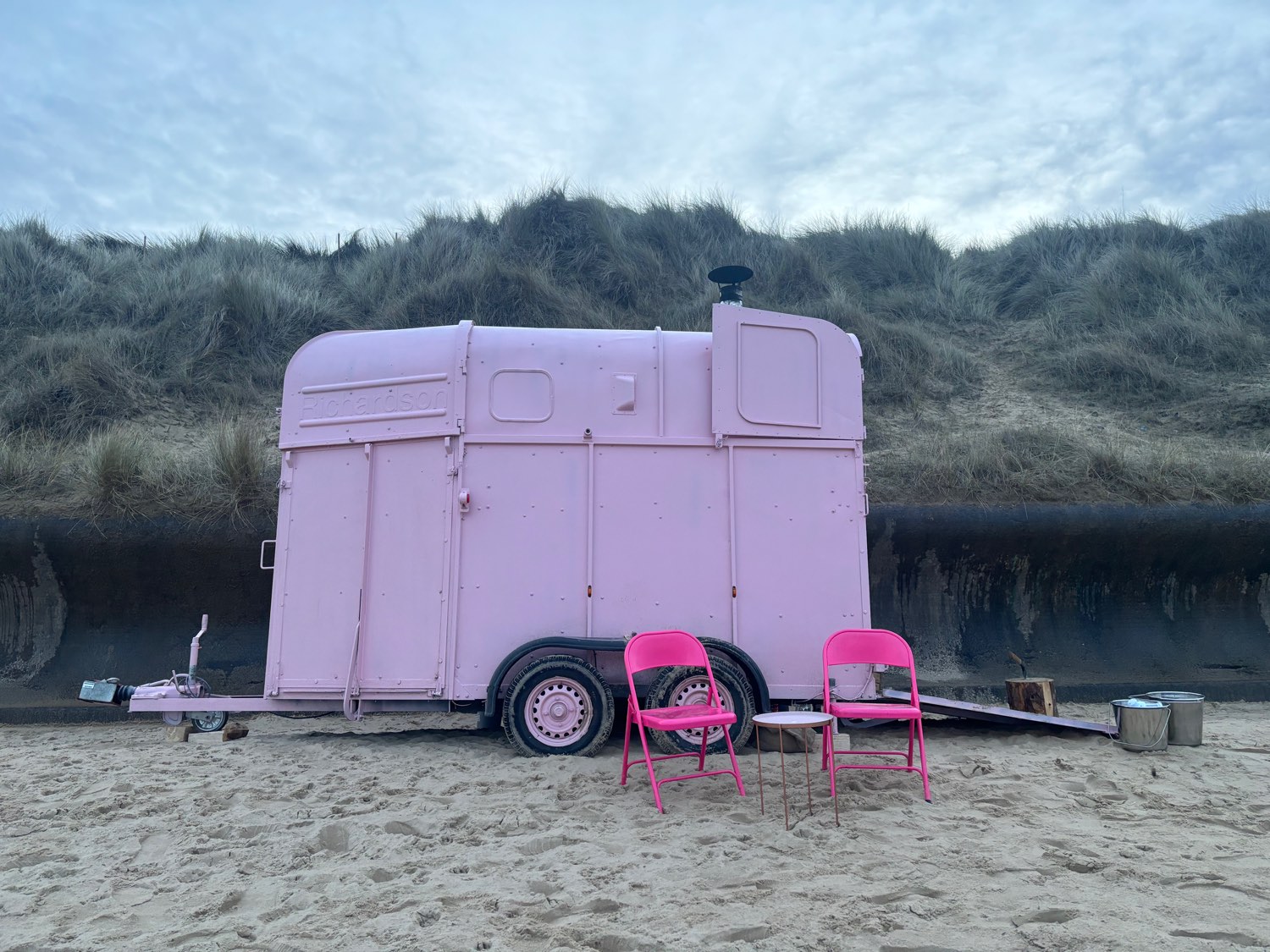
- It isn't theory: Ra & Oscar's numbers at The Pink Sauna back it up.
I don’t think we’ve dropped below £900 for a weekend the whole year.
What a single sauna actually earns
These are our calibrated benchmark bands: annual turnover for each setup at three levels of hours open per week, from the quiet end to flat out.
| Setup | Seats | Quieter | Average | Flat out |
|---|---|---|---|---|
| Horsebox or 10ft · rural / seaside | 8 | £45,000 10 hrs/wk | £65,000 20 hrs/wk | £85,000 30 hrs/wk |
| 10ft container · padel centre / city | 8 | £80,000 40 hrs/wk | £100,000 50 hrs/wk | £120,000 60 hrs/wk |
| 20ft container · 16-person | 16 | £125,000 40 hrs/wk | £150,000 50 hrs/wk | £185,000 60 hrs/wk |
Every site performs differently, but this shows what a typical commercial sauna can generate across different levels of demand.
Take-home is typically 60 to 70% of turnover after running costs, before your own time. Group hire, memberships and event bookings sit on top of per-head sessions and are where the strongest operators pull away.
The costs that eat into it
Profit comes from managing your costs.
- Build: £30,000 to £45,000, often financed over three years from about £1,100 a month. About three people a day at £15 a head covers that.
- Running costs: £250 to £500 a month direct, or about a third of takings once rent, card fees and marketing are counted.
- Your time: bookings, cleaning and customer support. Multi-unit sites improve efficiency and margins.
Even after these costs, a well-run sauna at the £10k-per-seat benchmark remains comfortably profitable.
How quickly it pays back
Paying cash, it is 70% on order, which secures your workshop slot, and 30% on delivery. Many choose financing instead, spread over three years from about £1,100 a month: about three people a day at £15 a head covers that.
Run it yourself and a well-performing sauna can recover its build cost in about one to two years. Pay someone to host it and that stretches, often past three, because staffing is the biggest cost in the business.
Within 10 months, I was able to leave my corporate career entirely. The sauna became my sole, meaningful income stream.
What separates a £45k sauna from a £200k one
Higher-performing businesses are built around the operation, not the sauna.
- Location: high footfall drives bookings.
- Opening hours: more availability increases revenue.
- Capacity: more seats improve returns.
- Repeat customers: memberships and packages create consistent income.
- Experience: a premium experience supports premium pricing.
Scaling: more units, more sites
As you add more units, profitability improves. Overheads are shared, operations become more efficient, and one team can manage multiple sites. That's why many operators expand after their first sauna.
The honest risks
Location, demand and experience are where sauna businesses fail. Success depends on choosing the right location, building demand, and delivering a great customer experience. Treat it like a business, and the numbers are achievable.
How we help you hit these numbers
We've built 62 saunas for 40 operators across the UK. We'll help you understand the opportunity, model the numbers, and build a commercial-grade sauna designed for long-term success.
What you could earn
Rough numbers · for yourself
What could you earn?
Pick a unit and your hours for a rough take-home. Then carry it into your full plan.
 A rough guide from our operators' real numbers. One of the team will work through your own with you.
Frequently asked questions
How much money can a sauna business make?
As a rule of thumb a sauna earns around £10,000 per seat per year. Our strongest evidence, an 8-seat rural or seaside unit, sits around £45,000 turnover a year at 10 hours a week and £85,000 at 30. Larger container builds in higher-footfall settings can reach up to £185,000 a year; that figure is an early estimate from industry conversations, not yet backed by our own operator data.
Is a mobile sauna business profitable?
Yes. Direct running costs are about £250 to £500 a month per unit, and once rent, card fees and marketing are in, total costs come to about a third of takings, so take-home is typically 60 to 70% of turnover, so even the quiet end of the benchmarks (£45,000 a year at 10 hours a week) is comfortably profitable, and busy operators earn far more.
What are the running costs of a sauna business?
Around £250 to £500 a month per unit in direct costs: fuel, cleaning, maintenance and insurance. Add pitch rent, card fees and marketing and total costs come to about a third of takings, which is Tom’s rule of thumb. About two people a day at £15 a head covers the direct costs.
How long until a sauna business pays for itself?
Run it yourself and most operators pay back the build within the first year or two; paying a host stretches it, often past three years. The build is a one-off £30,000 to £45,000, paid 70% on order and 30% on delivery, and a rural or seaside unit at the benchmark average keeps £39,000 to £45,500 a year after running costs.
Which sauna business model is most profitable?
A fixed, high-footfall site with multiple seats and long opening hours earns most per unit; multi-unit operators improve margins further by spreading overheads across a cluster.
Real operators
What real operators are earning
Never below £900 a weekend, all year, often £1,000+
The numbers have been unbelievably consistent. We haven't dropped below £900 for a single weekend all year, often hitting over £1,000 across Saturday and Sunday.
Outgrew her first location in 9 months
The business grew so fast that I outgrew my first location within nine months. Now people message me months in advance just to secure their winter dates.
Longer stays in the quiet months, now scaling from 1 to 3 saunas
Adding the sauna was the perfect way to offer something extra. It's become such a hit: guests love it, it's helped us stand out, and we've seen more longer stays, especially in the quieter months. Working with Sauna Box was a breeze.
Get started
Want an honest forecast for your site?
Tell us your location and setup. We'll give you a realistic earnings range before you commit.
Tell us what it’s for and we’ll point you to the right next step.